
| Oct 8, 2026
How to Grow Graduate Enrollment When a University Can’t Afford to Travel
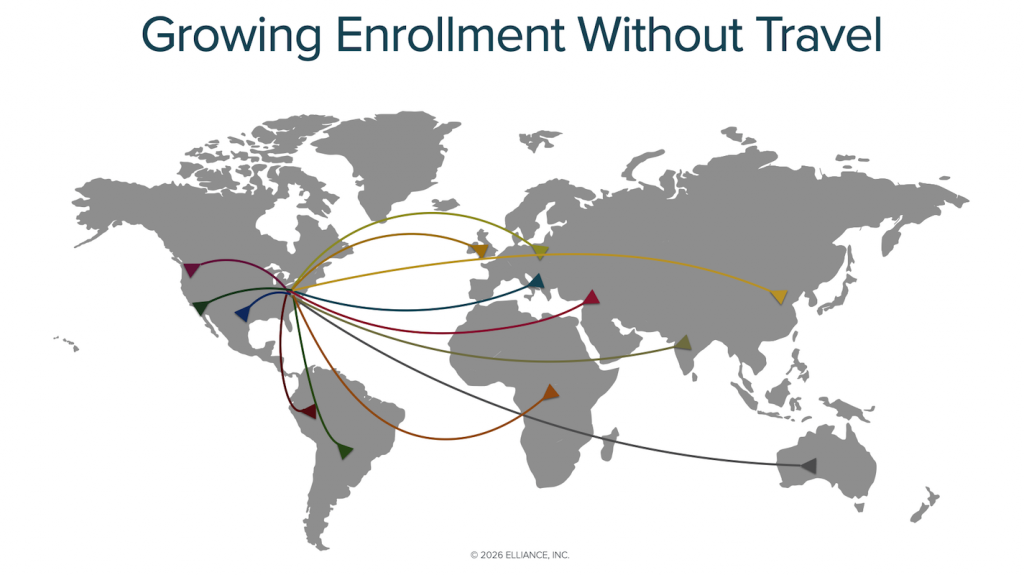
When budgets are tight, senior enrollment marketers often have to use creativity instead of travel to meet enrollment targets. Travel creates one conversation at a time. A great program page, faculty article, webinar, research report or alumni story can create thousands of conversations without anyone boarding a plane.
Here is a list of ideas for resource-strapped teams worth considering.
1. Fortify First-Impression Touchpoints So They Are Right, Tight and Bright
Brand, website, social, and digital reputation.
- Brand Your College: In the sea of sameness, brands win. Speak with one brand voice to all audiences striking different notes for each audience segment. Tell a better story.
- Build a Keyword and Questions Guide: The journey to Google visibility and AI discovery begins with a Keyword and Questions Guide with the following groups of keywords a college needs to claim and own: Programs, Thought leadership, Brand, Reputation, Location, and Decisioning.
- Create a Beautiful Website: A website is the digital soul of an institution. All roads lead to it. Here are some guidelines worth following:
- Merchandise hope.
- Don’t be a bore. A college can’t bore people into enrolling, or buying into its brand ideals.
- Merchandise signature programs. Let them generate unfair returns to bring the rest of the programs along. Don’t divide scarce marketing dollars evenly across the portfolio. Concentrate resources where demand, differentiation and institutional credibility intersect
- Make every priority program highly visible in Google and credible enough to surface in ChatGPT, Perplexity and Gemini. If a program can’t be found, prospects won’t consider enrolling.
- Make students and alumni the hero of the institutional journey, not the institution; celebrate successful students and alumni.
- Project the university as an institution of consequence.
- Streamline admissions process.
- Feature symposiums, summits, graduate addresses, keynote speakers, and hot topics. Promote all this via social media.
- Write and Optimize High-Fidelity Academic Program Pages: They are the “money pages” on a website used by value-minded prospects to make their graduate school choices. Build them with the right balance of persuasion architecture, science of conversions, beauty and SEO/AIO coding. Assure prospects that the value of their degree far exceeds its cost.
- Fortify Social Media Touchpoints: Systematize pitches so faculty publish in publications like Inside Higher Ed with bios linking to degree pages.
- Polish Your Information Sessions and Webinars: Both your virtual and physical events will create a lasting impression.
- Celebrate Heroes: Celebrate your star students, alumni and faculty because they, not the institution, are the real heroes of your story.
- Facilities and Grounds: Make them beautiful because beauty engenders confidence.
2. Build Authority and Organic Demand
Public-facing content, media relations, search optimization, and thought leadership channels.
- Digitize University Magazine: Make each story a keyword/question magnet for Google and AI engines (GEO).
- Faculty LinkedIn Thought Leadership: Encourage core faculty to post regularly about research, targeting mid-career professionals on LinkedIn.
- “Thought Leadership” Blog Series: Publish analytical commentary on current issues optimized around keywords and AI questions.
- Launch a Podcast/Vodcast Series: Host faculty and alumni on a monthly show exploring research and thought leadership.
- Strategic Presence on Reddit & Online Forums: Encourage faculty to authentically participate in relevant online communities where their expertise can help.
3. Convene, Educate and Capture Interest
Free interactive events, public lectures, downloadable research, and top-of-funnel lead generation ideas:
- Offer Free Virtual Micro-Course Series: 3-part non-credit mini-courses used for lead generation.
- Explore Research-to-Recruitment Pipeline: Publish the core findings openly for search and AI discovery, then use optional downloads and related experiences to capture interest.
- Free Professional Development Workshops: Host quarterly virtual workshops.
- Community Roundtables: Host open community roundtables on current issues and capture attendee contact info.
- Academic Colloquia & Guest Lectures: Public lectures requiring landing-page RSVPs with admissions opt-ins.
4. Build Partnership and Referral Pipelines
B2B outreach, institutional feeder networks, corporate partners, and alumni nominations.
- Activate Employer Pathways: Direct outreach to employers who recruit and hire your graduates.
- Amplify Relationships with Trade Groups: Activate relationships with trade groups for newsletter placement.
- Pursue Undergraduate Feeder Programs & Establish Feeder Agreements: Formalize transfer/pathway agreements with feeder undergraduate programs.
- Build Relationships with Regional Chapters of National Clubs and Organizations: Partner with regional young adult organizations and campus organization chapters.
- “Nominate a Future Leader” Alumni Campaign: Ask alumni to nominate colleagues, followed by a personal invitation from the Dean.
- Create New Special Interest Groups: Attract national and international thought leaders to the campus.
5. Create Low-Risk Ways to Say Yes
Low-barrier paid entry points, employer incentives, and stackable non-degree options.
- Offer Low-Priced Certificates ($1,000 or Less): Offer stackable, non-degree certificates that harvest high-intent leads and transition them into full degree applicants over time.
- Offer Employer Tuition Assistance Matching Program: Promote institutional matching incentives for non-profits and healthcare networks offering tuition reimbursement.
6. Deliver High-Trust Prospect Experiences
Immersive “experience the classroom” moments, peer connection, and interactive showcase panels
- Faculty Follow up on Applications: Ask program chairs and faculty to follow up with prospects.
- Virtual “Open Classroom” Days & Class Shadowing: Invite high-fit candidates to sit in on real 45-minute live graduate lectures.
- Virtual “Ask Me Anything” Student Panels: Student-led Zoom meetings for candid Q&A.
- Virtual Open Houses with Alum/Faculty Panels: Interactive outcome-focused webinars.
- Alumni Peer Mentorship & “Digital Ambassadors”: Pair applicants with alumni for 1-on-1 discovery calls or virtual regional chats.
7. Nurture, Convert and Re-Engage Prospects
Bottom-of-funnel CRM automation, personalized direct outreach, and lapsed-lead recovery.
- High-Touch Automated CRM Nurture Workflows: Overhaul CRM workflows to deliver persona-segmented email/SMS messaging.
- Re-engagement Campaign for Lapsed Inquiries: Automated sequences targeting 2–3 year old leads with new flexible/online program updates.
Bottom line: Don’t replace travel with cheaper marketing. Replace one-to-one recruitment activity with scalable assets that keep working.
Contact us if you are seeking a smart higher education marketing agency which can help you generate enrollment growth in your graduate programs.